Warwick Avenue furniture removals and stair access tips
Posted on 06/05/2026
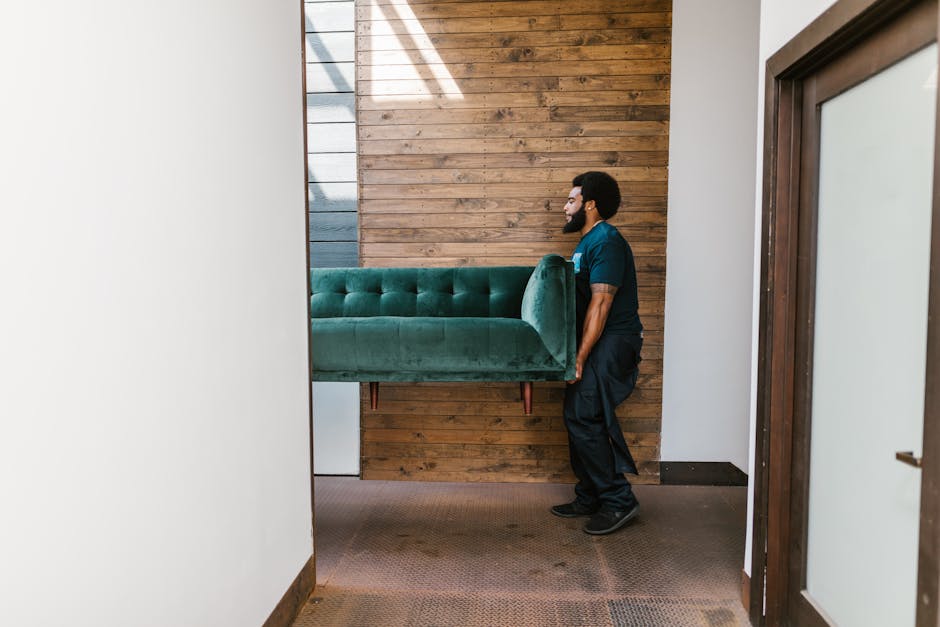
Warwick Avenue furniture removals and stair access tips: a practical guide for smoother moves
If you are planning a move around Warwick Avenue, you already know the layout can be a bit of a mixed bag. Elegant mansion blocks, period conversions, narrow communal hallways, basement flats, and stairs that seem to go on forever. That's exactly why Warwick Avenue furniture removals and stair access tips matter so much. A good move is not just about lifting and loading; it is about measuring properly, protecting the property, keeping everyone safe, and making sure a sofa doesn't get stuck halfway up a turn in the staircase. Not fun. Not at all.
This guide walks through the practical side of furniture removals in Warwick Avenue, with clear advice on stair access, planning, packing, protection, and the little details that often decide whether a move feels calm or chaotic. If you want deeper local context while you plan, you may also find the broader area guides on living in Maida Vale and Maida Vale's comfort-and-city balance useful in understanding the type of homes movers often deal with nearby.
Why Warwick Avenue furniture removals and stair access tips Matters
Furniture removals in Warwick Avenue are rarely difficult for just one reason. Usually it is a combination of building access, item size, parking, neighbour considerations, and time pressure. That is why stair access deserves proper attention, not a quick glance. A narrow staircase can turn a simple wardrobe move into a delicate puzzle. A sharp corner can do more damage than the item itself. And a rushed carry on a tired afternoon can create strain, scuffs, or even a trip hazard.
In this part of West London, many homes have character, but character often comes with awkward angles. Period staircases, half-landings, low ceilings, and tight entrance halls are common enough that professional movers look for them as standard, not as surprises. The better the access planning, the smoother everything becomes. Quite honestly, that is the difference between a move that feels controlled and one that feels like it's trying to wrestle a wardrobe through a keyhole.
It also matters because access problems affect more than the movers. They can affect your walls, banisters, neighbours, lift bookings, and moving schedule. If you are arranging a flat move or a house move in the area, it helps to understand the broader service landscape too, especially pages like flat removals in Maida Vale and house removals in Maida Vale, which are relevant when your property has internal stairs or shared access points.
Practical takeaway: with stair-heavy properties, the most expensive mistake is often not the move itself, but the lack of planning before the first item is lifted.
How Warwick Avenue furniture removals and stair access tips Works
The process is straightforward when you break it down, but each stage matters. First, you assess the property and the furniture. Then you identify the access route: front entrance, hallway, stair width, turns, landings, and any lift use. After that, you decide what needs dismantling, what needs extra protection, and what may need a different moving method altogether.
For many local moves, the key question is simple: Will this item fit safely without forcing it? If the answer is no, then it may need partial dismantling, alternative handling, or additional movers. That sounds obvious, but people often discover the issue only once the item is already at the stairs. Not ideal.
Here is the basic flow a careful mover follows:
- Check item dimensions and compare them with stairwell measurements.
- Measure turns, ceiling height, and the tightest points on the route.
- Confirm parking and loading access outside the building.
- Protect bannisters, floors, doorframes, and corners.
- Plan the carry order so heavy or awkward items do not block the route.
- Use the right equipment for the item and the staircase.
- Move slowly through tight points, with clear communication.
That may sound methodical, because it is. Methodical is good. Especially on stairs.
If you are comparing moving support options, the service pages on furniture removals in Maida Vale and removal services in Maida Vale can help you match the job to the right level of help, whether you need a full team or a more compact man and van setup.
Key Benefits and Practical Advantages
Good stair access planning does more than save time. It reduces risk, protects belongings, and makes the whole move feel less stressful. That matters whether you are moving a one-bedroom flat or clearing a family home with heavy furniture and awkward corners.
- Less risk of damage: careful measuring reduces scrapes, knocks, and trapped items.
- Safer lifting: a well-planned route lowers the chance of slips and strains.
- Faster progress: when access is known in advance, movers do not need to improvise at every turn.
- Better property protection: shared hallways, rails, and walls stay in better condition.
- Less disruption to neighbours: a smoother move means less noise, blocking, and back-and-forth.
- More accurate quotes: once access details are clear, pricing can be based on reality rather than guesswork.
There is also a hidden benefit people sometimes overlook: confidence. When you know the staircase has been checked properly, you stop worrying about the sofa wedging itself sideways halfway up the stairs. You can focus on getting settled instead of firefighting the move. That alone is worth a lot, to be fair.
For people wanting a full-service approach, it often makes sense to review the wider services overview and then check pricing and quotes once you know what the access looks like. Good information in, better quote out. Simple, really.
Who This Is For and When It Makes Sense
This guidance is useful for a few different groups, and maybe you will see yourself in more than one.
- Flat movers: especially if the building has narrow or shared stairs.
- Homeowners moving larger furniture: wardrobes, beds, sofas, dining tables, bookshelves.
- Landlords and tenants: where access needs to be protected and the move completed quickly.
- Students and first-time movers: because stairs in older London buildings can be a surprise.
- Anyone moving bulky or fragile items: mirrors, pianos, glass cabinets, exercise equipment.
It also makes sense when you are short on time. If a move is happening on a tight schedule, maybe between tenancies or around school pickup and work, planning the stair route beforehand avoids those awkward delays where one person is holding a hallway door and another is trying to swivel a headboard around a landing. It happens more often than you'd think.
For smaller, quicker moves, the options on man with van in Maida Vale or man and a van in Maida Vale can be especially practical. If the item list is modest and the access is manageable, that may be all you need.
Step-by-Step Guidance
Here is a practical way to prepare for furniture removals where stairs are part of the challenge.
1. Walk the route before moving day
Go from the room to the exit and notice every narrow point. Measure stair width, landing depth, door openings, and any sharp turns. If your staircase changes direction partway up, that is usually the area that causes the most trouble. A quick photo can help too, especially when discussing the move with a removals team.
2. Measure the furniture properly
Don't just measure the widest face. Measure height, depth, and any protruding parts such as handles, legs, or headboards. A wardrobe that looks manageable can suddenly feel a lot bigger once the handles are added into the equation.
3. Decide what should be dismantled
Some items are better moved in sections. Flat-pack furniture, bed frames, shelving units, and certain desks often travel more safely when partially dismantled. Keep fixings, screws, and instructions in labelled bags. Tiny bag, big relief later.
4. Protect the staircase and the item
Use blankets, corner protectors, floor coverings, and wrap for vulnerable surfaces. In shared buildings, protecting the communal area is not just polite; it avoids avoidable marks and awkward conversations with neighbours or building managers.
5. Clear the route
Remove shoes, rugs, bins, loose cables, and anything that could shift underfoot. Keep children and pets out of the route during the move. One loose toy on a step can cause a stupid little accident that ruins the whole morning. Bit dramatic, but true.
6. Organise the loading order
Move the largest and most awkward items first if they need the cleanest access. Smaller boxes can be carried later. This avoids the staircase becoming cluttered halfway through the job.
7. Communicate clearly during the carry
One person should call the pace and directions. "Slow", "stop", "tilt", "up a little", "hold there" - short and clear beats long chat. Clear communication is one of the most underrated moving tools around.
8. Keep a fallback plan
If an item will not fit, be ready to pause and reassess. Sometimes a different angle works. Sometimes it needs dismantling. Sometimes the safest answer is to use an alternative route or store the item temporarily. A little flexibility saves a lot of frustration.
Expert Tips for Better Results
After enough stair-heavy moves, a few patterns become obvious. The best results usually come from preparation, patience, and knowing when not to push your luck.
- Check stair corners early: turns are often tighter than the straight run suggests.
- Use soft protection on both sides: especially on polished bannisters and painted walls.
- Keep heavier items low and balanced: awkward weight distribution makes stairs much harder.
- Allow extra time for period properties: older buildings often need more care and slower movement.
- Book around busy building times: if the block has narrow communal access, quieter times help.
- Tell movers about access issues in advance: no surprises, no panic.
One small but useful tip: take a quick video of the staircase from bottom to top. It helps a mover judge the route far better than a single photo. And if you are worried about an item, say so. Better to sound cautious than optimistic and wrong.
For a wider local move, many people also like reading about Maida Vale removals near Little Venice because it gives a feel for the local streets, building styles, and common access quirks that affect day-to-day moving work.
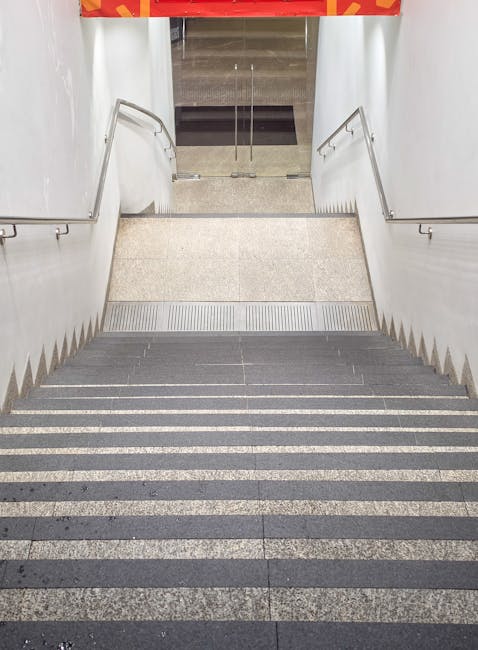
Common Mistakes to Avoid
The same problems come up again and again. Nothing dramatic, just the sort of thing that makes an otherwise ordinary move harder than it needs to be.
- Guessing measurements: eyeballing a staircase is not enough.
- Forgetting the landing space: an item may fit on the stairs but not the turn.
- Leaving furniture assembled by default: some pieces are not meant to travel whole.
- Ignoring parking access: a perfect stair plan still fails if the van cannot get close enough.
- Not warning about fragile finishes: high-gloss surfaces and antique wood need extra care.
- Trying to force a bad fit: this is how furniture gets damaged, and sometimes walls too.
- Leaving the hallway cluttered: messy access slows everything down and increases risk.
There is also a quiet mistake that people make when they are tired: assuming the movers will just "work it out" on the day. Good movers can solve problems, yes. But they still need the facts. The more you share beforehand, the better the outcome. That's just how it goes.
Tools, Resources and Recommendations
You do not need a warehouse full of equipment to move furniture safely, but a few useful tools make a real difference.
| Tool / resource | Why it helps | Best use |
|---|---|---|
| Measuring tape | Checks stair width, doorways, and furniture size | Before booking and before move day |
| Furniture blankets | Reduces scrapes and impact damage | Large wooden items, corners, and frames |
| Corner protectors | Shields bannisters and tight edges | Shared hallways and narrow stair turns |
| Strong tape and labelled bags | Keeps fixings and parts organised | Bed frames, shelving, wardrobes |
| Floor runners | Helps protect flooring and improve grip | Long internal walks and polished surfaces |
| Photos or video of access | Helps with planning and quoting | Shared entrances, awkward stairs, basement flats |
For packing support, the page on packing and boxes in Maida Vale is handy if you want to get the contents of the move under control before the furniture even leaves the room. And if access is especially tricky, a more local service like removal van hire in Maida Vale can be a sensible fit for smaller jobs.
If you are unsure what level of support you need, that's normal. A quick conversation is often enough to sort it out. You can always contact the team directly and describe the staircase, item sizes, and timing before anything is booked.
Law, Compliance, Standards, or Best Practice
For local removals, the legal and compliance side is mostly about safety, property care, and making sure the move is carried out responsibly. You do not need to become an expert in transport law to move a sofa, but you should know the practical basics.
Best practice usually includes:
- carrying items without putting people or property at unnecessary risk;
- using appropriate protective materials for floors, walls, and furniture;
- checking whether building rules affect lift use, loading, or access times;
- keeping shared areas clear as much as possible;
- confirming that insurance arrangements are suitable for the work involved.
If you want reassurance on service standards, it is sensible to review a provider's insurance and safety information and, if needed, their health and safety policy. That does not sound thrilling, I know, but it matters when there are stairs, heavy items, and shared building spaces involved.
For householders and tenants, there may also be building management requirements about booking lifts, protecting communal walls, or moving during certain hours. Always check with the building first if you are unsure. It is much easier than discovering the rule halfway through loading the van.
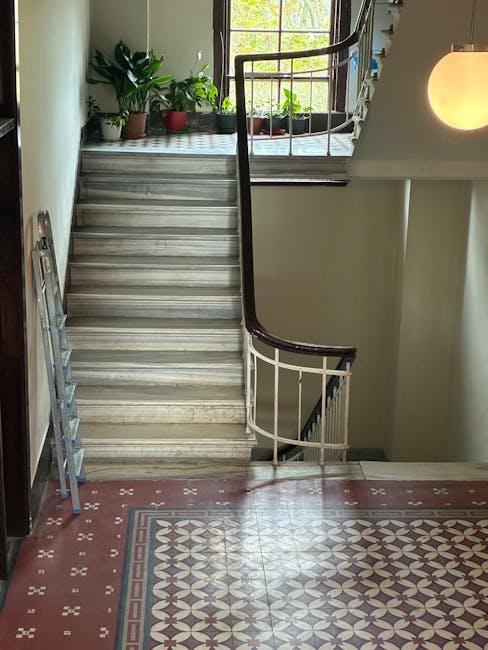
Options, Methods, or Comparison Table
Different access situations call for different approaches. Here is a simple comparison to help you think it through.
| Method | Best for | Pros | Watch-outs |
|---|---|---|---|
| Full removals team | Large furniture, full-home moves, awkward staircases | More manpower, smoother handling, better for heavy items | Usually costs more than basic transport-only help |
| Man and van | Smaller loads, fewer items, short-distance moves | Flexible, often quicker to arrange, practical for compact moves | May be less suitable for very heavy or complex stair access |
| Furniture dismantling before move | Bulky items with tight corners or narrow stairs | Can turn a difficult move into a manageable one | Needs time, tools, and careful labelling |
| Storage first, move later | When access, timing, or property handover is uncertain | Reduces pressure on move day | Adds another step and may increase total cost |
The right choice depends on the staircase, the furniture, and the timing. If you are moving out of a flat with two flights and a tight bend, a more complete removals service is often the calmer option. If you are shifting a few pieces from one property to another nearby, a lighter setup may be enough. Simple as that.
Case Study or Real-World Example
Imagine a typical Warwick Avenue flat move on a weekday morning. The property is on an upper floor, the entrance hall is shared, and the staircase has one awkward turn. The sofa is wide, the bed base is bulky, and there is a mirror cabinet that probably should not be carried without wrapping.
In a rushed move, the team arrives, realises the sofa catches the turn, and has to stop, re-angle, protect the wall, and spend ten extra minutes working it out. Nothing disastrous, but the day loses rhythm. In a better-planned move, the client has already measured the staircase, shared photos of the route, and had the sofa partially dismantled. The movers know what to expect, the van parks as close as possible, and the item goes in with far less drama.
That second version is what good stair access planning looks like. No magic. Just preparation, the right tools, and a bit of patience. And, yes, the tea tastes better when the stressful bit is over early.
This is also where local knowledge helps. A team used to working around Maida Vale and W9 understands the sort of access quirks that come with older buildings, compact hallways, and mixed residential blocks. If you are comparing providers, reading about a local company's background on about us or broader removal companies in Maida Vale can help you judge experience and fit.
Practical Checklist
Use this checklist in the days before your move. It keeps the important bits in one place.
- Measure the widest furniture pieces.
- Measure stair width, turns, and landings.
- Photograph the route from room to van.
- Check whether items need dismantling.
- Label screws, brackets, and small parts.
- Protect floors, walls, and bannisters.
- Clear the stairway and hallway completely.
- Confirm parking access and loading distance.
- Tell movers about fragile finishes or valuable items.
- Check building rules for lift booking or access times.
- Keep water, phone, and keys easy to reach.
- Allow extra time for tight staircases and shared entrances.
If your move also involves storage, temporary staging, or timing gaps, the page on storage in Maida Vale can be useful. A short pause between properties can take the pressure off when access or handover times are not lining up perfectly.
Expert summary: the safest stair move is rarely the fastest-looking one. It is the one where the route is checked, the item is protected, and nobody feels rushed.
Conclusion
Warwick Avenue furniture removals do not have to be stressful, even when stairs are part of the deal. The trick is to treat stair access as a central part of the move, not a side issue. Measure properly, protect the property, plan the carry, and choose a moving service that understands the local building styles. That one bit of care at the start can save a lot of hassle later.
Whether you are moving a single bulky item, a full flat, or a family home with awkward access, the goal is the same: safe handling, clear communication, and a move that feels under control. That is what good removals should feel like, really. Calm enough to breathe.
Get a free quote today and see how much you can save.


